
Services
Finding the best Lake Lanier Realtor is less about agent rankings and more about matching a specific waterfront skill set to a specific buyer or seller problem. The right advisor reads USACE permit documents, walks shoreline buffers, times the GA-400 and I-985 corridors, and underwrites cost-of-ownership against documented county data. Current market conditions require a dated MLS comparison that identifies the area, property type, reporting period, and sample before a buyer relies on it.
What Makes a Lake Lanier Realtor Different from a Standard Metro Agent
A Lake Lanier transaction is not an Atlanta-metro transaction with a view. The home's deed conveys land and structure, but the dock, the shoreline buffer, the cove depth, and the septic system are governed by federal, county, and environmental rules a typical metro listing agent never encounters. The agent's working knowledge of those rules is what separates a competent Lake Lanier Realtor from a generic North Georgia agent who lists waterfront occasionally.
Knowledge of the USACE shoreline management plan and dock permits
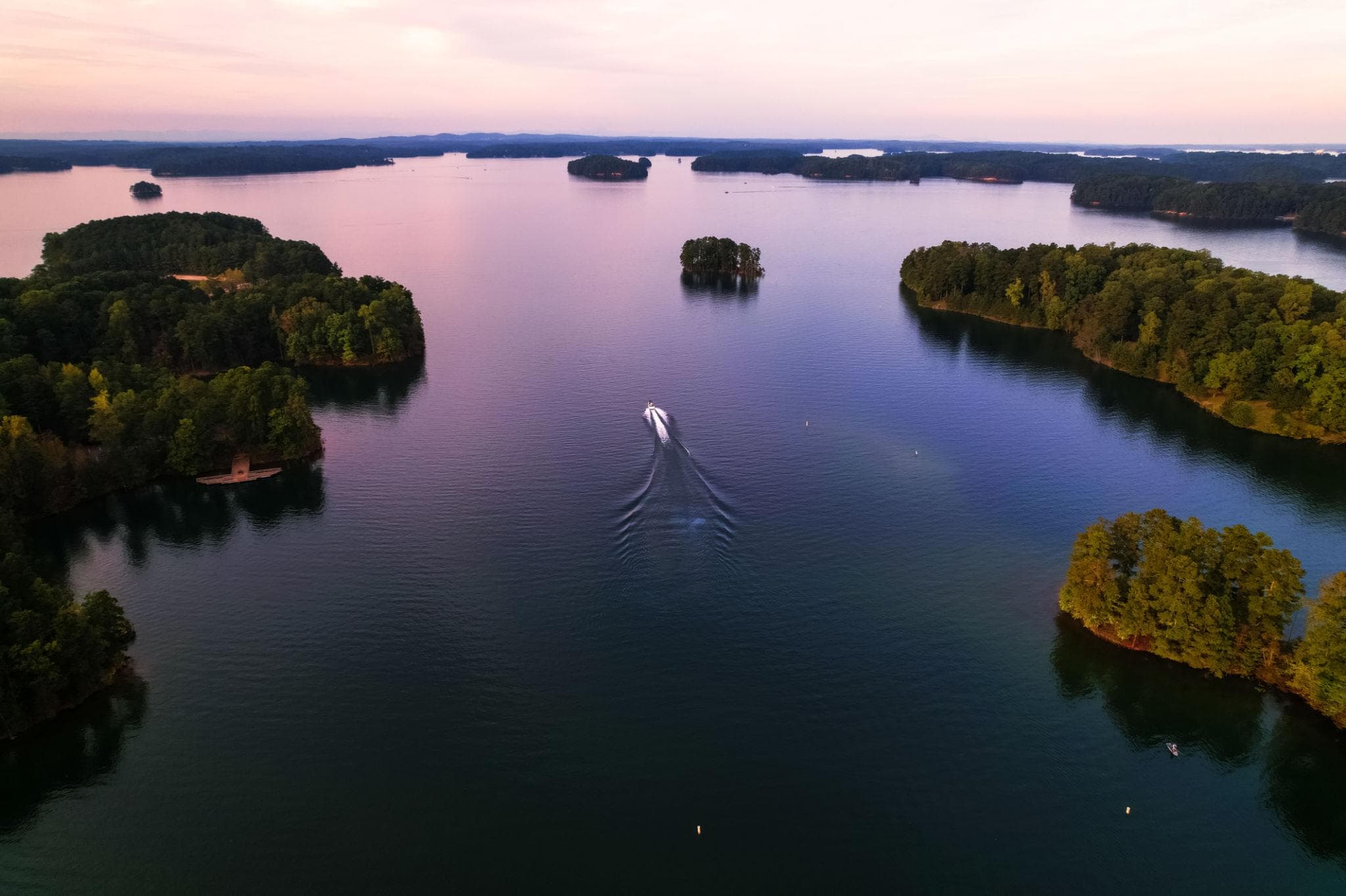
Lake Lanier sits on roughly 38,000 acres with more than 600 miles of shoreline at summer full pool elevation 1,071 feet above mean sea level, with winter pool typically around 1,070 feet under normal precipitation conditions (USACE Mobile District, current as of May 2026). The lake is managed under the Lake Sidney Lanier Shoreline Management Plan administered by the U.S. Army Corps of Engineers, which classifies every shoreline parcel into one of four categories: Limited Development, Protected Shoreline, Public Recreation, or Operations. A Realtor who works the lake regularly can read a parcel's classification before showing the property and tell the buyer in plain English whether a private dock is currently permitted, whether it could be permitted in the future, or whether the parcel is structurally locked out of private slip rights. USACE permits and licenses are nontransferable. A new owner of an existing facility may apply through the Lake Lanier Operations Management Office, and approval is not automatic. Confirm the property-specific record and current requirements before closing. The third knowledge layer is shoreline modification. The shoreline management plan limits vegetation removal in the buffer zone, regulates the placement of paths and stairs down to the dock, and requires Corps approval for many improvements buyers casually picture during a showing. An agent who has not read the plan often discovers these limits during due diligence with two weeks left before closing, which is the worst time to learn them. A Lake Lanier specialist surfaces buffer rules during the property tour, not during the inspection period.
Local knowledge: marinas, coves, cove depth, and lake access
Lake Lanier's shoreline does not behave like a uniform ribbon. The southern basin near Buford Dam holds navigable boating depth throughout normal seasonal fluctuations, while the upper arms toward Gainesville, Dawsonville, and the Chestatee River narrow into shallower coves that lose usable water depth during drought conditions or in dry years (USACE Mobile District, current as of May 2026). A Realtor who has actually run a boat through the lake's coves can tell a buyer whether the cove behind a candidate property holds usable water for a wakeboat in October, not just at Memorial Day full pool. Marina knowledge matters for buyers who do not need a permitted private dock. Aqualand Marina on the Flowery Branch shore in Hall County, Holiday Marina on the southern basin, Lanier Islands near Buford (Buford mailing address; Hall County jurisdiction), Sunrise Cove Marina, and Habersham Marina on the upper Hall County shoreline each anchor a different boating community and a different storage price band. A Lake Lanier Realtor builds a marina shortlist alongside the home shortlist so a no-dock waterfront buyer can compare end-to-end carrying costs honestly. Lake-access communities add a third layer. Communities like Cresswind at Lake Lanier (northwest of Gainesville off Dawsonville Highway/GA-53 in Hall County) and Marina Bay (Flowery Branch / southern Hall County) market lake-access lifestyles even when individual lots do not include direct dock rights. Buyers should verify current HOA documentation on slip assignment, waitlists, and any community-dock rules before relying on marketing copy. A Lake Lanier specialist reads the HOA covenants and the USACE permit class together rather than assuming one implies the other.
Understanding luxury home buyers, sellers, and waterfront pricing
Luxury Lake Lanier inventory is a small segment of a small market. The buyer pool at that band is national, often relocating from Atlanta intown, Alpharetta, Buckhead, or out-of-state second-home markets, and the underwriting they apply is closer to a private-banking diligence cycle than a typical residential transaction. Current market conditions require a dated MLS comparison that identifies the area, property type, reporting period, and sample before a buyer relies on it. Waterfront pricing on Lake Lanier does not follow a clean comparable-sales formula. Two adjacent shoreline lots with the same square footage can carry materially different values based on USACE permit class, cove depth at winter pool, southern-versus-northern exposure for sun, the dock's permitted slip count, and the presence of a covered boat lift. A Lake Lanier Realtor who has walked the comparable docks rather than only reading the MLS photos prices the home against the actual shoreline asset, not the headline waterfront category. Luxury sellers also need a different marketing program than the metro median. The buyer pool reads aerial drone footage, on-water video, sunset-light still photography, and dock walk-throughs more than interior staged photography. The right agent commissions the lake-side visual asset set, distributes through luxury syndication, and prices against the actual sub-segment rather than the headline lake median. Ashley Smith, real estate agent with DreamSmith Realty, can build a luxury-band marketing plan against the permitted-dock waterfront sub-segment using documented Georgia MLS data rather than category averages.
What Buyers and Sellers Should Look For in a Lake Lanier Realtor
Both sides of a Lake Lanier transaction need an agent who reads federal, county, and HOA documents fluently, but the diligence items diverge. Buyers need help verifying what they are actually getting; sellers need help pricing against the right sub-segment and presenting the lake-side asset honestly. A specialist's day-to-day work looks different from a generic listing agent's.
Buyer due diligence: dock, water depth, cost of ownership
USACE permits and licenses are nontransferable. A new owner of an existing facility may apply through the Lake Lanier Operations Management Office, and approval is not automatic. Confirm the property-specific record and current requirements before closing. The second item is water depth at the dock site. Summer full pool sits at 1,071 feet above mean sea level and winter pool typically holds near 1,070 feet under normal precipitation, but during drought conditions the lake can fall meaningfully lower (USACE Mobile District, current as of May 2026). A dock that holds 8 feet of water at summer full pool may sit usable in a typical winter and unusable during a drought year. A Lake Lanier specialist walks the dock during a low-water window when possible and reads the historical lake-level chart rather than relying on summer photography. The third item is cost of ownership. Lake Lanier homes carry county property tax that varies by jurisdiction (Forsyth County, Hall County, Dawson County, or Gwinnett County), separate insurance considerations for the home and the dock structure, septic and well systems on most shoreline lots, and ongoing dock and lift maintenance. Buyers should pull the prior-year actual tax bill from the county tax commissioner office, request the septic permit history from the county environmental health office (county tax commissioner office, current as of May 2026), and price a 12-month operating budget before signing a contract. The cost-of-ownership line is the single most under-counted item in a Lake Lanier purchase.
Seller positioning: pricing, marketing, photography, dock presentation
Seller positioning on a Lake Lanier home starts with the right comparable set. The seller's agent should build the comparable set from parcel-level USACE classification, dock permit status, cove depth, and finished square footage rather than from a category average. Current market conditions require a dated MLS comparison that identifies the area, property type, reporting period, and sample before a buyer relies on it. Marketing the home requires a lake-specific asset set. Aerial drone footage of the home and dock from the water, on-water video showing the cove and approach, professional sunset and golden-hour still photography that captures the southern or western shoreline exposure, and a clean dock walk-through that shows slip count, lift, and covered structure all anchor the listing. Generic interior real estate photography under-sells a Lake Lanier waterfront home because the buyer is paying a meaningful premium for the lake-side asset, not the interior square footage alone. USACE permits and licenses are nontransferable. A new owner of an existing facility may apply through the Lake Lanier Operations Management Office, and approval is not automatic. Confirm the property-specific record and current requirements before closing.
Communication style, responsiveness, and negotiation approach
A waterfront transaction generates more inbound questions than a metro median transaction because each diligence stream (dock, septic, well, county taxes, HOA, school district at the parcel level) sits with a different counterparty and produces a different document set. The buyer's or seller's agent should expect to coordinate with USACE, the county environmental health office, the county tax commissioner, the relevant HOA management company, and the school district enrollment office in parallel rather than serially. Communication cadence matters because diligence delay risks the closing date. Responsiveness in a Lake Lanier transaction also requires field time. A specialist visits the property repeatedly during the diligence window: once to walk the dock at the current water level, once to verify the shoreline buffer condition, once to confirm the septic field location and condition with the inspector, and often once more to confirm cove sight lines from the proposed boat lift position. An agent who never returns to the property after the initial showing misses field-level diligence items that surface only on the second or third visit. Negotiation approach on Lake Lanier reflects the small inventory pool in the luxury band. Ashley Smith, real estate agent with DreamSmith Realty, can structure the offer or the counter against the actual sub-segment and the actual diligence findings rather than a category average. Current market conditions require a dated MLS comparison that identifies the area, property type, reporting period, and sample before a buyer relies on it.
Why Buyers and Sellers Choose Ashley Smith for Lake Lanier Real Estate
Lake Lanier buyers and sellers choose an agent on four practical criteria: depth of waterfront, dock, and shoreline knowledge; honest market data instead of headline averages; communication cadence that keeps the transaction moving through federal and county diligence; and presentation quality that matches the price band of the home. The criteria are practical rather than aspirational.
Lake Lanier focus, waterfront expertise, dock and shoreline knowledge
USACE permits and licenses are nontransferable. A new owner of an existing facility may apply through the Lake Lanier Operations Management Office, and approval is not automatic. Confirm the property-specific record and current requirements before closing. Waterfront expertise extends to the home itself. Lakefront homes typically run on septic and well rather than municipal sewer and water, sit on lots that fall toward the shoreline at meaningful grade, and use construction details (decking, hardscape, retaining walls, basement waterproofing) that an interior-market agent rarely encounters. A Lake Lanier specialist reads those details during the property tour and flags the items that will matter during the inspection rather than discovering them in the inspector's report. Shoreline knowledge covers the regulated buffer zone between the home and the water. The USACE shoreline management plan limits vegetation removal, regulates the path and stair construction down to the dock, and requires Corps approval for many shoreline improvements that buyers casually picture. A specialist surfaces those limits during the showing rather than during the contract period, which preserves the buyer's option to walk away from a parcel whose shoreline rules do not match their use case.
Buyer support, seller marketing, and honest local data
Buyer support on a Lake Lanier transaction means coordinating diligence across USACE, the county environmental health department, the county tax commissioner office, the relevant HOA, and the school district enrollment office in parallel. The buyer's agent should produce a written diligence checklist before the offer, track each item to closing, and surface diligence findings to the buyer in real time rather than at the inspection-period deadline. The checklist approach prevents the late-stage surprises that derail Lake Lanier transactions more often than financing issues do. Seller marketing on a Lake Lanier home should commission the lake-specific asset set (aerial drone footage, on-water video, sunset still photography, dock walk-through), price against the parcel-level comparable set rather than the category average, and distribute through luxury syndication channels that reach the national buyer pool. A listing agent who applies a metro-median marketing approach to a $2,500,000 Lake Lanier waterfront home leaves real money on the table because the buyer pool reads water-facing assets more than interior staging. Honest local data anchors both sides. Median listing prices, dock-permit class counts, cove depth histories, county-by-county property tax rates, and commute times on GA-400 and I-985 (Georgia Department of Transportation, current as of January 2026) all sit in publicly available sources, and a specialist references the documented figure rather than a category headline. Buyers and sellers should expect to see the actual source citation behind any number presented during a strategy conversation, not a category claim with no underlying data.
Ashley Smith and DreamSmith Realty's Lake Lanier approach
DreamSmith Realty's approach to Lake Lanier real estate is built around the four practical criteria above: depth of waterfront, dock, and shoreline knowledge; honest market data; communication cadence through federal and county diligence; and presentation quality that matches the home's price band. The work program is the same whether the buyer is shopping a $700,000 upper-arm no-dock lake-access home or a $3,500,000 southern basin double-slip waterfront estate; the difference is the comparable set, the marketing budget, and the buyer pool, not the diligence rigor. The buyer engagement starts with cadence questions: primary residence, weekend home, or hybrid; daily commute envelope or weekend cadence on GA-400, I-985, or both; permitted dock requirement, community dock acceptable, or marina storage workable; school district requirement at the parcel level across Forsyth County Schools, Hall County Schools, Dawson County Schools, or Gwinnett County Public Schools. The answers anchor the shortlist before the property tour calendar is built, which compresses the search by weeks. The seller engagement starts with the parcel-level comparable analysis, the USACE permit file pull, the pre-listing dock packet preparation, and the lake-specific marketing asset commission. Ashley Smith, real estate agent with DreamSmith Realty, can build a Lake Lanier buyer shortlist or a Lake Lanier listing strategy anchored in documented USACE, Georgia MLS, Georgia Department of Transportation, and county-level data, with the shoreline diligence and dock permit verification handled before the closing timeline tightens rather than after.
Frequently Asked Questions
- What makes a Realtor a Lake Lanier specialist rather than a general North Georgia agent?
- A Lake Lanier specialist reads the Lake Sidney Lanier Shoreline Management Plan administered by the U.S. Army Corps of Engineers, can pull a parcel's USACE shoreline classification (Limited Development, Protected Shoreline, Public Recreation, or Operations) before showing a property, knows the dock permit re-issuance process through the Lake Sidney Lanier Project Management Office near Buford Dam, and walks dock and shoreline conditions in person across the seasonal water-level cycle. The specialist also reads the four shoreline county jurisdictions (Forsyth, Hall, Dawson, and Gwinnett) at the parcel level rather than treating the lake as one market (USACE Mobile District, current as of May 2026).
- Do dock permits convey when I buy a Lake Lanier home?
- USACE permits and licenses are nontransferable. A new owner of an existing facility may apply through the Lake Lanier Operations Management Office, and approval is not automatic. Confirm the property-specific record and current requirements before closing.
- How much does a Lake Lanier waterfront home cost?
- Current market conditions require a dated MLS comparison that identifies the area, property type, reporting period, and sample before a buyer relies on it.
- Which counties does the Lake Lanier shoreline cover?
- Lake Lanier's shoreline crosses four county jurisdictions: Forsyth County on the western and southwestern shore (Cumming area), Hall County on the eastern and northern shore (Gainesville, Flowery Branch, and Lanier Islands area, which has a Buford mailing address but Hall County jurisdiction), Dawson County on the northwestern shoulder (Dawsonville area), and Gwinnett County at the southern foot near Buford. Each county runs its own tax assessor, environmental health department, and school district, so buyers should verify the jurisdiction at the candidate parcel before assuming a tax rate, septic permit cycle, or school assignment.
- What should I look for during a Lake Lanier dock and shoreline walk-through?
- Look for the USACE permit number posted at the dock, the slip count and lift configuration matching the permit, the condition of decking and walkways, the buffer-zone vegetation between the home and the water, the cove depth and shoreline exposure (southern and western exposure typically holds the best afternoon light), and any signs of erosion or unpermitted shoreline modification. Walk the dock during a lower-water window when possible to verify usable depth, because summer full pool at 1,071 feet does not represent the full seasonal cycle (USACE Mobile District, current as of May 2026).
- How do I choose between a permitted-dock home, a community-dock home, and a marina-storage home on Lake Lanier?
- Match the home type to actual boating cadence. Buyers who use the boat 20 or more days a year and value at-home convenience typically prioritize a permitted private dock. Buyers who use the boat 5 to 15 days a year and prefer to outsource maintenance often find marina storage cheaper end-to-end at Aqualand Marina, Holiday Marina, Sunrise Cove Marina, Habersham Marina, or Lanier Islands. Community-dock buyers should verify current HOA documentation on slip assignment, waitlists, and any community-dock rules before relying on marketing copy, because slip availability and assignment vary materially by community.
Related
- Lake Lanier Waterfront HomesPermitted-dock and lake-access waterfront inventory across the Lake Lanier shoreline.
- Lake Lanier Luxury HomesUpper-band waterfront and luxury inventory on the southern basin and across the shoreline counties.
- Lake Lanier Dock PermitsCheck USACE permit requirements and the application process for a new owner.
- Lake Lanier Cost of OwnershipAnnual carrying-cost model including property tax, dock, septic, and insurance for Lake Lanier shoreline homes.
- Lake Lanier Real Estate OverviewFull Lake Lanier shoreline market guide, USACE permit framework, and county-level jurisdiction map.
- Contact Ashley SmithStart a Lake Lanier buyer or seller conversation with DreamSmith Realty.